

Wine has been an integral part of Greek culture for over 4,000 years, with its influence permeating ancient literature, religion, and social gatherings. The history of winemaking in Greece is a fascinating journey that reveals the country's deep-rooted love for this divine beverage.
The origins of Greek winemaking can be traced back to the Bronze Age, around 2000 BC. Archaeological evidence suggests that the Minoans on the island of Crete were among the first to cultivate grapes for wine production. The Minoans developed sophisticated techniques for wine production, including the use of large clay jars, known as pithoi, for fermentation and storage.
Winemaking quickly spread across the Aegean to mainland Greece, where it was embraced by the Mycenaean civilization. The Mycenaeans refined the winemaking process further, introducing the use of amphorae for wine storage and transportation. These vessels were often decorated with intricate designs, reflecting the importance of wine in Mycenaean society.
In ancient Greek mythology, Dionysus was the god of wine, viticulture, and ecstasy. The worship of Dionysus was closely tied to the production and consumption of wine. The Dionysian Mysteries, a religious ritual involving the consumption of wine, played a significant role in ancient Greek society.
The influence of Dionysus on Greek winemaking is evident in the numerous depictions of the god on ancient pottery and in literature. The god's association with wine and viticulture helped to elevate the status of wine in Greek society, making it an essential part of religious rituals and social gatherings.
The Classical era of ancient Greece, from the 5th to the 4th century BC, saw the rise of wine criticism. The Greeks developed a taste for fine wine and began to classify wines based on their region of origin, quality, and flavour. The poet Hesiod wrote detailed descriptions of the winemaking process in his work "Works and Days", providing one of the earliest examples of wine criticism.
The Greeks also developed the symposium, a social gathering where men would drink, discuss philosophy, and enjoy entertainment. Wine was a central part of these gatherings, and the host would often select a 'symposiarch' who would decide the wine to be served and its dilution with water.
The Greeks were not only avid consumers of wine but also its great exporters. As they established colonies around the Mediterranean, they brought with them their winemaking techniques. This led to the spread of viticulture to regions like Italy, France, and Spain.
The Greek influence on winemaking is particularly evident in Italy. The Etruscans, who inhabited central Italy, adopted Greek winemaking techniques after coming into contact with Greek colonies in southern Italy. The Romans, who succeeded the Etruscans, further developed these techniques, leading to the rise of the Roman wine industry.
The Byzantine era, from the 4th to the 15th century AD, saw the continuation of Greek winemaking traditions despite the political and religious changes. Monasteries played a crucial role in maintaining vineyards and winemaking techniques during this period.
However, the Ottoman occupation of Greece from the 15th to the 19th century had a significant impact on Greek winemaking. The Ottomans, who were predominantly Muslim and therefore did not consume alcohol, imposed heavy taxes on wine production. This resulted in a decline in the Greek wine industry.
The modern era of Greek winemaking began in the late 19th and early 20th centuries, following the country's independence from the Ottoman Empire. The Greek wine industry underwent a period of revival, with the introduction of modern winemaking techniques and the establishment of wine cooperatives.
Today, Greece is home to a diverse range of indigenous grape varieties and produces a wide variety of wines, from robust reds to crisp whites. The country's winemaking history, combined with its unique terroir, results in wines that are as rich and diverse as its culture.
With a winemaking history that spans four millennia, Greece is now poised to take its place on the world stage. Greek wines are gaining international recognition for their quality and unique character, and the country's wine industry continues to evolve.
From the ancient Minoans to the modern vintners, the history of winemaking in Greece is a testament to the country's enduring love for wine. As we raise a glass to the future, we also toast to the past, celebrating the rich history that has shaped Greek winemaking.
Embark on a journey through the rich tapestry of Greek winemaking with Grecian Artisan Wine Co. Delve into our carefully curated collection of wines, sourced from small independent wineries across Greece. Each bottle captures the essence of the region's diverse grape varieties and the meticulous craft of local vintners. Complement your wine experience with our selection of Greek teas and chocolates, perfectly paired to enhance your tasting adventure. Discover our wines and become a part of Greece's storied viticultural legacy.
When it comes to the world of wine, Greece is a treasure trove of diverse flavours, textures, and aromas. With a wine-making tradition that dates back over 4,000 years, the Greeks have perfected the art of viniculture, producing some of the world's most unique and distinctive wines. But the true magic of Greek wine lies not just in its standalone qualities, but in its ability to enhance the flavours of food. Welcome to the art of Greek wine pairing.
Before diving into the intricacies of pairing, it's essential to understand the basics of Greek wines. Greece is home to over 300 indigenous grape varieties, each with its unique characteristics. The country's diverse geography, from its mountainous mainland to its sun-drenched islands, creates a wide range of microclimates that contribute to the complexity of its wines.
From the robust reds of the Peloponnese to the aromatic whites of the Aegean islands, Greek wines offer a palette of flavours that can complement a wide array of dishes. Whether you're serving a hearty meat dish or a delicate seafood platter, there's a Greek wine that can elevate your meal to new culinary heights.
While there are hundreds of grape varieties in Greece, a few stand out for their popularity and versatility in pairing. The white Assyrtiko, native to the volcanic island of Santorini, is renowned for its mineral-rich profile and high acidity, making it a perfect match for seafood and dishes with a tangy edge.
On the red side, Agiorgitiko and Xinomavro are two of the most prominent varieties. Agiorgitiko, often referred to as the 'king of the Greek red wines', is known for its full-bodied, fruity profile with soft tannins, ideal for pairing with red meat dishes. Xinomavro, on the other hand, is a more complex and tannic wine, with a rich bouquet of flavours that can stand up to spicy and flavourful dishes.
Pairing Greek wines with food is not just about matching flavours; it's about creating a harmonious balance that enhances the overall dining experience. The key to successful pairing lies in understanding the characteristics of the wine and how they interact with different food elements such as fat, salt, acid, and sweetness.
For instance, the high acidity in many Greek wines makes them excellent palate cleansers, cutting through the richness of fatty foods and refreshing the palate for the next bite. Similarly, the tannins in red wines can balance the saltiness of certain dishes, while the sweetness of some wines can counterbalance the heat of spicy foods.
With their high acidity and often mineral-driven profile, Greek white wines are incredibly food-friendly. Assyrtiko, with its citrusy notes and crisp acidity, pairs beautifully with seafood, especially fish and shellfish grilled or cooked in lemon-based sauces. It also complements dishes with tangy flavours, such as Greek salad or tzatziki.
Another popular Greek white, Moschofilero, with its floral and spicy notes, is a fantastic match for Asian cuisine, particularly dishes with a sweet and sour balance. It also pairs well with poultry and creamy sauces.
When it comes to red wines, Agiorgitiko's soft tannins and fruity profile make it a versatile pairing option. It complements a range of meat dishes, from lamb and beef to game meats. It also pairs well with tomato-based sauces and dishes with a sweet and savoury balance.
Xinomavro, with its robust tannins and complex flavour profile, can stand up to strong, spicy flavours. It's an excellent match for spicy sausages, smoked meats, and dishes with robust sauces. It also pairs beautifully with aged cheeses, making it a great choice for a cheese platter.
One of the joys of Greek wine pairing is exploring regional pairings, where local wines are matched with local dishes. This 'what grows together, goes together' approach often results in pairings that highlight the unique flavours and characteristics of the region.
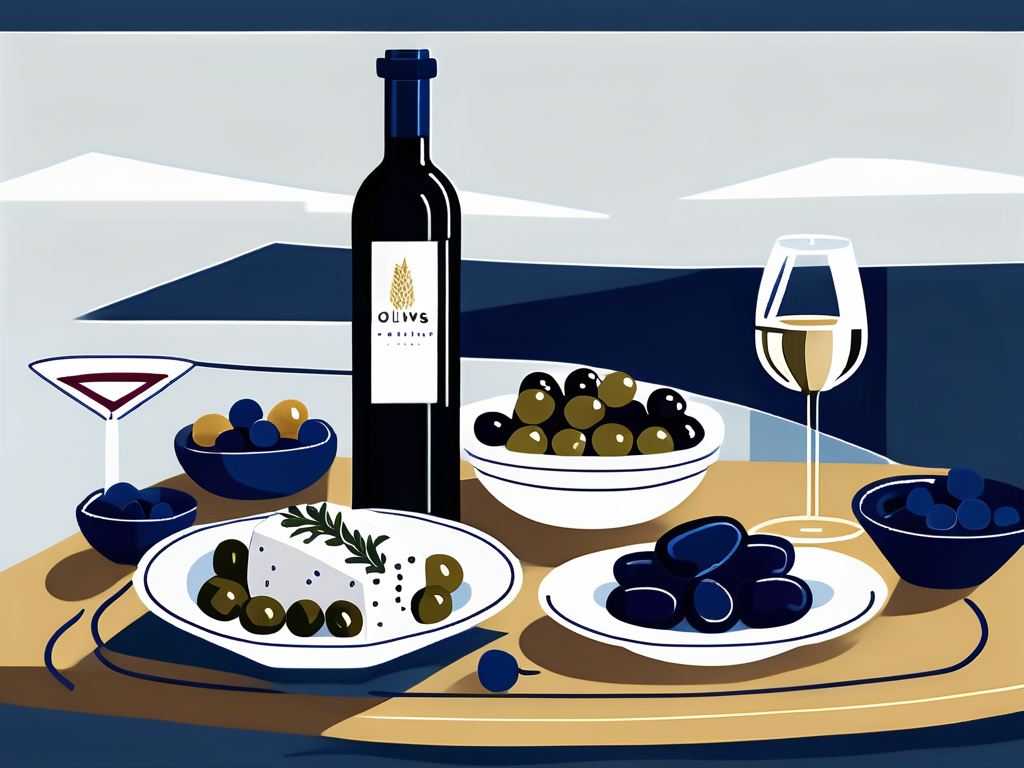
For instance, in the Peloponnese, you might pair a local Agiorgitiko with a traditional lamb dish, while in Santorini, a crisp Assyrtiko might be matched with a fresh seafood dish. These regional pairings offer a taste of the local terroir, providing a sensory journey through the diverse landscapes of Greece.
Whether you're a seasoned wine connoisseur or a curious beginner, the art of Greek wine pairing offers a world of flavours to discover. So, uncork a bottle of Greek wine, prepare a matching dish, and embark on your own Greek wine pairing adventure.
Ready to indulge in the exquisite world of Greek wine and food pairings? At Grecian Artisan Wine Co., we bring you closer to the authentic tastes of Greece with our carefully curated selection of wines from small independent wineries. Elevate your dining experience with our exclusive Greek wines, perfectly paired with our selection of Greek teas and chocolates. Discover our wines today and embark on a culinary journey that celebrates the rich heritage of Greek viniculture.
Wine has been an integral part of Greek culture for over 4000 years, with some of the world's oldest wine production areas located in this Mediterranean country. Today, we're going to delve into the rich history, unique varieties, and the production process of Greek wine.
Wine production in Greece dates back to the Bronze Age, making it one of the oldest wine-producing regions in the world. The ancient Greeks not only consumed wine but also used it in religious ceremonies and offered it to the gods.
The Greeks were also pioneers in viticulture and oenology, developing various wine production techniques. They were the first to understand the influence of the local climate and soil on the taste of wine, a concept known today as terroir.
Despite the long history, Greek wines remained relatively unknown on the international stage until the late 20th century. Today, however, Greek wines are gaining recognition for their unique flavours and high quality.
Greece is home to over 300 indigenous grape varieties, many of which are not grown anywhere else in the world. These unique grape varieties contribute to the distinctive taste of Greek wines.
The most famous white grape variety in Greece is Assyrtiko, originally from the island of Santorini. Assyrtiko wines are known for their mineral character and high acidity, making them perfect for ageing.
Greece's diverse geography and climate contribute to the variety of wines produced in the country. From the cool mountainous regions to the sun-drenched islands, each region has its unique characteristics.
The Peloponnese peninsula is one of the most important wine regions in Greece. It is known for its high-quality red wines, especially those made from the Agiorgitiko grape.
The region's diverse microclimates allow for the production of a wide range of wine styles, from rich, full-bodied reds to fresh and fruity rosés.
Santorini is famous for its white wines, particularly those made from the Assyrtiko grape. The island's volcanic soil gives the wines a distinctive minerality, while the strong winds and harsh sun contribute to the grapes' high acidity.
Despite the challenging conditions, Santorini produces some of the most highly regarded white wines in Greece, known for their ageing potential and unique taste.
Greek winemakers combine traditional methods with modern technology to produce high-quality wines. The production process varies depending on the type of wine, but it generally involves the following steps:
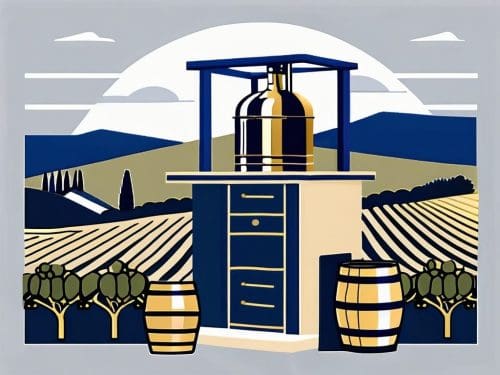
While the process may seem straightforward, it requires a great deal of skill and knowledge to produce a high-quality wine. Greek winemakers are known for their dedication to quality and their passion for their craft.
Greek wines are incredibly versatile and can be paired with a wide range of foods. The high acidity and robust flavours of Greek wines make them perfect for pairing with the rich and diverse flavours of Greek cuisine.
White wines, such as those made from Assyrtiko, pair well with seafood and dishes with a high acidity, like tomato-based dishes. Red wines, like those made from Xinomavro, are perfect for pairing with red meat and hearty stews.
Of course, the best way to discover the perfect pairing is through experimentation. So, don't be afraid to try different combinations and find what works best for you.
From its ancient roots to its modern recognition, Greek wine has a rich and diverse history. With its unique grape varieties, diverse wine regions, and dedicated winemakers, Greek wine offers a unique tasting experience that is sure to delight any wine lover.
So, whether you're a seasoned wine connoisseur or a curious beginner, Greek wine has something to offer. Why not explore the world of Greek wine and discover its secrets for yourself?
Embark on a journey through the exquisite flavors of Greece with Grecian Artisan Wine Co. Our carefully curated selection from small independent wineries captures the essence of Greek tradition and the innovation of modern winemaking. Indulge in the perfect pairing of Greek wine, tea, and chocolates, each chosen to enhance your tasting experience. Discover our wines today and savor the secrets of Greek wine in every sip.